Plaster vs. Drywall: Which is the Better Option for Your Walls?
When it concerns structure or renovating your home, one of the most important choices you'll need to make is picking the right material for your walls. Two popular alternatives are plaster and drywall, each with its own set of advantages and drawbacks. Understanding the distinctions between these two materials can help you make an educated choice that matches your needs and choices.
Plaster is a traditional wall ending up product that has been used for centuries. On the other hand, drywall, likewise understood as plaster board or sheetrock, is a more modern option.
Choosing the right product for your walls is vital since it can affect the total look, sturdiness, soundproofing, fire resistance, and cost of your job. By comprehending the advantages and disadvantages of plaster and drywall walls, you can make an educated choice that fulfills your specific requirements and spending plan.
The Pros and Cons of Plaster Walls
Plaster walls have a number of benefits that make them a popular option for numerous homeowners. Among the main benefits of plaster walls is their durability. Plaster is a strong material that can hold up against wear and tear gradually, making it less vulnerable to dents and cracks compared to drywall. This resilience likewise translates into longevity, as plaster walls can last for years with appropriate upkeep.
Another advantage of plaster walls is their soundproofing capabilities. The multiple layers of plaster produce a thick barrier that helps reduce noise transmission between rooms. This can be especially helpful if you reside in a loud community or have a home theater or music room where sound isolation is important.
Furthermore, plaster walls are extremely fire resistant. The gypsum in the plaster mixture contains water particles, which serve as a natural fire retardant. In the event of a fire, plaster walls can help slow down the spread of flames, providing you more time to evacuate and reducing home damage.
There are also some downsides to think about when it comes to plaster walls. One of the primary drawbacks is the cost. Plaster is a labor-intensive material that needs proficient professionals to set up properly. This can increase the total cost of your project, specifically if you have a large area to cover.
In addition, the installation procedure for plaster walls can be lengthy and untidy. It involves using several layers of plaster, enabling each layer to dry before applying the next one. This can lead to longer construction timelines and possible disruptions to your day-to-day routine.
Finally, plaster walls offer restricted style options compared to drywall. While plaster can be textured or painted, it may not provide the same level of adaptability when it comes to creating unique finishes or incorporating ornamental elements into your walls.
The Pros and Cons of Drywall Walls
Drywall walls have actually become significantly popular over the last few years due to their affordability and ease of installation. Among the main benefits of drywall is its cost-effectiveness. Drywall is reasonably economical compared to plaster, making it a more economical option for homeowners.
Another advantage of drywall walls is their easy installation process. Drywall sheets can be quickly and quickly set up by specialists, minimizing labor costs and construction timelines. This makes drywall a popular choice for both brand-new construction projects and restorations.
In addition, drywall offers versatile style options. It can be easily textured, painted, or backgrounded image to develop different looks and styles. Drywall likewise permits the installation of ornamental aspects such as moldings or trim, offering you more versatility in customizing your space.
There are likewise some disadvantages to think about when it comes to drywall walls. Drywall is more vulnerable to dents, cracks, and water damage compared to plaster.
Drywall does not provide the very same level of soundproofing as plaster. The single layer of gypsum and paper in drywall does not use the exact same density and thickness as numerous layers of plaster, making it less efficient at reducing noise transmission between spaces.
Drywall is less fire resistant compared to plaster. While gypsum is inherently fire resistant, the paper covering on drywall can burn and contribute to the spread of flames. This implies that drywall walls may not offer the exact same level of security in case of a fire.
Cost Comparison: Which is More Affordable?
When it pertains to cost, there are numerous aspects to consider for both plaster and drywall walls. The cost of products, labor, and upkeep can all impact the general price of each option.
In terms of materials, drywall is usually more affordable than plaster. Drywall sheets are easily offered and can be acquired at a fairly low expense. On the other hand, plaster needs a mix of plaster, sand, and water, which may be more expensive to source and prepare.
Plaster walls need experienced experts who are experienced in using numerous layers of plaster. Drywall installation, on the other hand, is relatively straightforward and can be done by professionals at a lower expense.
Plaster walls are usually more durable and require less upkeep compared to drywall. If repair work or touch-ups are required, plaster can be more expensive to fix due to its labor-intensive setup procedure.
When comparing the total expenses of plaster and drywall walls, it is necessary to consider your specific needs and budget. While plaster might have higher upfront expenses, its durability and longevity can result in lower upkeep expenses gradually. On the other hand, drywall might be a more budget friendly choice upfront however might require more frequent repair work and upkeep in the long run.
Toughness and Longevity: Which Material Lasts Longer?
Durability and durability are necessary elements to think about when selecting between plaster and drywall walls. Plaster walls are understood for their toughness and can endure wear and tear gradually. The several layers of plaster create a strong and strong surface that is less susceptible to damages, fractures, and water damage compared to drywall.
With appropriate upkeep, plaster walls can last for decades without major concerns. Nevertheless, it is important to note that the lifespan of plaster walls can be affected by various elements such as the quality of setup, ecological conditions, and regular maintenance. For instance, if plaster walls are not appropriately set up or if they are exposed to extreme moisture or humidity, they might be more prone to damage.
On the other hand, drywall walls are normally less resilient compared to plaster. Drywall is more prone to damages, cracks, and water damage, which can impact its total life-span. With correct care and upkeep, drywall walls can still last for lots of years.
Aspects that can affect the lifespan of drywall walls consist of the quality of setup, routine maintenance, and exposure to wetness or humidity. If drywall is not correctly installed or if it is exposed to water leaks or high humidity levels, it may end up being broken and require repair work or replacement.
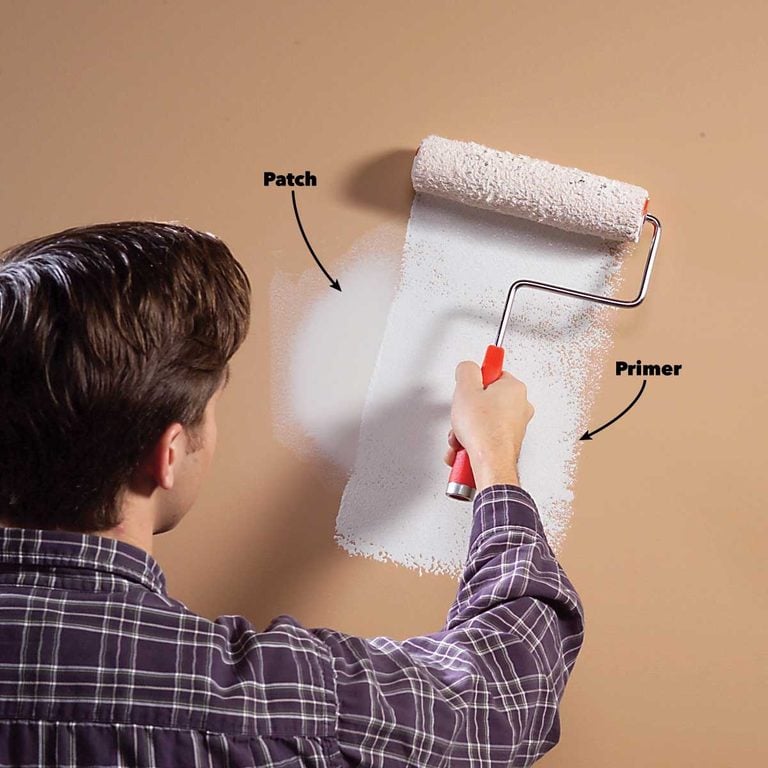
Overall, while plaster walls are generally considered more resilient and long-lasting compared to drywall, it is very important to consider the particular conditions and maintenance requirements of your task. Proper setup, routine upkeep, and resolving any issues promptly can assist extend the lifespan of both plaster and drywall walls.
Relieve of Installation: Which is Easier to Install?
The ease of installation is an important element to think about when picking between plaster and drywall walls. Plaster walls need a more complicated and labor-intensive installation procedure compared to drywall.
Installing plaster walls includes using numerous layers of plaster, allowing each layer to dry before applying the next one. This process can be lengthy and might need proficient specialists who are experienced in dealing with plaster. The setup of plaster walls also needs cautious attention to detail and precision to ensure a smooth and even complete.
Drywall, on the other hand, is reasonably simple to install compared to plaster. Drywall sheets can be rapidly and easily set up by specialists utilizing screws or nails. The setup process for drywall is simple and does not require as much time or ability as plaster.
Factors that can affect the ease of setup for both plaster and drywall walls include the size of the location to be covered, the intricacy of the style or layout, and the schedule of experienced specialists. For example, if you have a large location to cover or if you have intricate design components that require precise installation, plaster walls may be more challenging to install compared to drywall.
Overall, if you are searching for a material that is simple to install and needs less time and ability, drywall may be the better option. Nevertheless, if you want to purchase skilled professionals and are searching for a more conventional and long lasting finish, plaster walls can provide an unique and ageless appearance.
Looks: Which Material Provides a Better Look?
The aesthetics of your walls play a crucial role in the total look and feel of your space. Both plaster and drywall use various design options that can help you accomplish the wanted search for your home.
Plaster walls have an unique and timeless look that is typically related to traditional or historical homes. The several layers of plaster produce a smooth and smooth surface that can be left as is or painted to match your desired color pattern. Plaster can also be textured to produce different finishes such as swirls, stucco, or Venetian plaster, adding depth and character to your walls.
Drywall, on the other hand, offers more versatility when it pertains to develop options. Drywall sheets can be easily textured, painted, or backgrounded to develop different appearances and styles. Drywall likewise allows for the setup of ornamental aspects such as moldings or trim, offering you more versatility in personalizing your area.
The choice between plaster and drywall will ultimately depend upon your individual choices and the total style of your home. If you are searching for a more conventional and ageless look, plaster walls might be the much better choice. Nevertheless, if you choose a more flexible and personalized finish, drywall walls can provide a wide range of style alternatives.
Soundproofing: Which is More Effective?
Soundproofing is a crucial factor to consider for lots of homeowners, specifically if you live in a noisy community or have specific spaces where sound isolation is essential. Both plaster and drywall provide different levels of soundproofing capabilities.
Plaster walls are known for their soundproofing homes due to their density and thickness. The numerous layers of plaster create a thick barrier that helps reduce noise transmission between rooms. This can be especially beneficial if you have a home theater, music space, or if you simply want to minimize sound from outside sources.
Drywall, on the other hand, does not offer the same level of soundproofing as plaster. The single layer of gypsum and paper in drywall does not use the exact same density and density as several layers of plaster, making it less reliable at minimizing sound transmission.
If soundproofing is a top concern for your task, plaster walls may be the much better choice. It is essential to note that there are extra soundproofing methods and materials that can be utilized in conjunction with drywall to improve its soundproofing abilities. These include the use of insulation, acoustic panels, or soundproofing compounds.
Fire Resistance: Which Material is Safer?
Fire resistance is an important consideration when it concerns the security of your home. Both plaster and drywall provide different levels of fire resistance.
Plaster walls are highly fire resistant due to the existence of water molecules in the plaster mixture. In case of a fire, plaster walls can assist decrease the spread of flames, providing you more time to leave and lessening home damage. This makes plaster walls a popular option for areas where fire security is an issue, such as kitchens or commercial buildings.
Drywall, on the other hand, is less fire resistant compared to plaster. While plaster is naturally fire resistant, the paper covering on drywall can burn and contribute to the spread of flames. This suggests that drywall walls may not supply the exact same level of defense in the event of a fire.
If fire resistance is a top concern for your project, plaster walls might be the much better option. It is important to keep in mind that there are additional fireproof products and methods that can be used in conjunction with drywall to enhance its fire resistance. These consist of making use of fireproof finishings or the setup of fire-rated drywall.
Ecological Impact: Which Material is More Sustainable?
The ecological effect of structure products is becoming a significantly important consideration for many property owners. Both plaster and drywall have different ecological ramifications when it pertains to production and disposal.
Plaster is made from a mixture of plaster, sand, and water, which are natural and plentiful resources. The production of plaster requires less energy compared to drywall, as it does not involve making use of high-temperature kilns or the extraction of raw materials. In addition, plaster can be recycled or reused, minimizing waste and lessening its ecological impact.
Drywall, on the other hand, is made from plaster, which is a non-renewable resource. The production of drywall includes the extraction of raw materials and using high-temperature kilns, which can add to greenhouse gas emissions. Drywall can likewise be recycled or reused, minimizing waste and extending its life-span.
When thinking about the environmental impact of plaster and drywall, it is very important to think about the whole lifecycle of each product, consisting of production, transportation, installation, and disposal. Furthermore, it is important to consider other factors such as energy efficiency and the use of sustainable building practices in your job.
Which Material is the Better Choice for Your Walls?
In conclusion, selecting between plaster and drywall walls needs careful factor to consider of a number of aspects consisting of durability, expense, ease of setup, looks, soundproofing capabilities, fire resistance, and ecological effect.
Plaster walls provide several advantages such as durability, soundproofing abilities, and fire resistance. They can be more costly to install and provide restricted design choices compared to drywall.
Drywall walls are more affordable and simpler to install compared to plaster. They likewise provide versatile style choices. Nevertheless, they are less durable, offer less soundproofing capabilities, and are less fire resistant compared to plaster.
Eventually, the choice to pursue college is a personal one. боя с ефект на мазилка It depends on a person's goals, interests, and circumstances. Some people might choose to pursue higher education to acquire customized understanding and skills in a specific field, while others may see it as a method to increase their earning potential and career chances. Additionally, higher education can supply people with valuable experiences, such as networking opportunities and individual growth. Nevertheless, it is important to consider the monetary ramifications and potential debt that might come with pursuing higher education. Eventually, people should thoroughly weigh the benefits and drawbacks and make a decision that aligns with their long-lasting goals and aspirations.